July 4, 2026 Stage • Institutional CultureSession 3: Institutional Design & Frontline Leadership: Building Culture

Scott Weinstein: “Culture by Design”

Extending Rita Pierson's Champion Model to Adult Institutions and the Unsung Heroes of Frontline Leadership

Culture by Design
Official 4K Stage Recording • Click to Play

Culture by Design

Presented by Scott Weinstein

Recorded at Queenslake Horse Farm • July 4, 2026

About Scott Weinstein

Educational Leader & Villanova Graduate Lecturer

Scott Weinstein is an educational administrator, author, and graduate lecturer at Villanova University. Examining the progressive loss of intentional environmental design as individuals transition from elementary classrooms to corporate environments, Weinstein extends the late Rita Pierson’s thesis—that every human being requires an unconditional champion—into lifelong organizational architecture. Leading a major high school through the 2020 administrative lockdowns, he demonstrated that authentic authority emanates from frontline culture carriers, such as career custodians, rather than executive titles.

“Children need champions, but so do adults. Authentic organizational authority lives in the quiet grace of frontline heroes.”
Speaker Stage Mini-Gallery

Scott Weinstein on the Red Circle Carpet

Aggregated directly from the main TEDxSoardsRoad stage gallery (4 photos). Click any photo to enlarge.

Red Circle Stage • Photo 1 of 4

Scott Weinstein

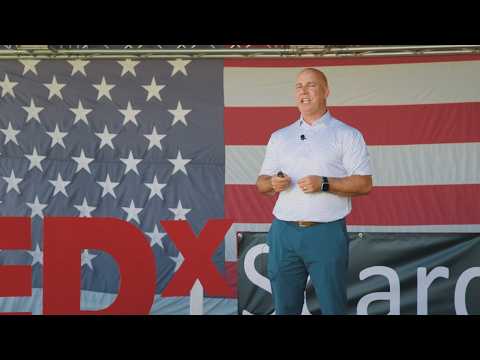
Scott Weinstein delivering "Culture by Design" on the TEDxSoardsRoad stage

Scott Weinstein — "Culture by Design" (Main Stage Portrait)

Deep Dive: Speech Summary & Key Takeaways

7 min read
Core Ideas from This Talk

Scott Weinstein investigates how organizations progressively strip away intentional psychological safety as people transition from kindergarten to corporate boardrooms. Expanding on Rita Pierson's famous thesis, Scott illustrates how frontline culture carriers like school custodians define institutional resilience.

  • 1Belonging and psychological safety are foundational requirements for adult organizational performance.
  • 2Informal frontline leaders often possess far greater cultural authority than titled executives.
  • 3Intentional institutional design must be preserved across the entire lifespan of an organization.
Drill Down Further
Read Full Chapter-by-Chapter Talk Analysis (3 Chapters)

Chapter 1: The Progressive Loss of Environmental Design

Elementary classrooms are intentionally engineered for psychological safety, color harmony, and emotional belonging. Yet as human beings matriculate into high schools, universities, and corporate office parks, environments become sterile, transactional, and anxiety-inducing. Scott argues that human neurology does not outgrow the fundamental need for safety, belonging, and active encouragement upon turning eighteen.

Chapter 2: The Unconditional Adult Champion

Drawing upon Rita Pierson's landmark TED talk 'Every Kid Needs a Champion', Scott demonstrates that adults in high-stress organizations wither without visible advocates. When leaders design environments where colleagues celebrate and protect one another, innovation replaces self-preservation.

Chapter 3: The Custodian as Culture Carrier

Reflecting on leading a secondary school through the 2020 administrative lockdowns, Scott highlights head custodian Joe Rogers. While executive titles argued over remote mandates, Joe maintained the physical soul of the building, checking on teachers, repairing facilities, and offering steady emotional anchors. True institutional leadership is defined by proximity, visibility, and care.